
- Aug 18, 2025
- 2 min read
Color Is More Than Just Color
Hair coloring is more than changing how you look—it’s a way of expressing who you are. The right shade can completely transform your vibe.
Natural & Subtle → soft browns, misty tones
Romantic & Gentle → champagne blonde, pink hues
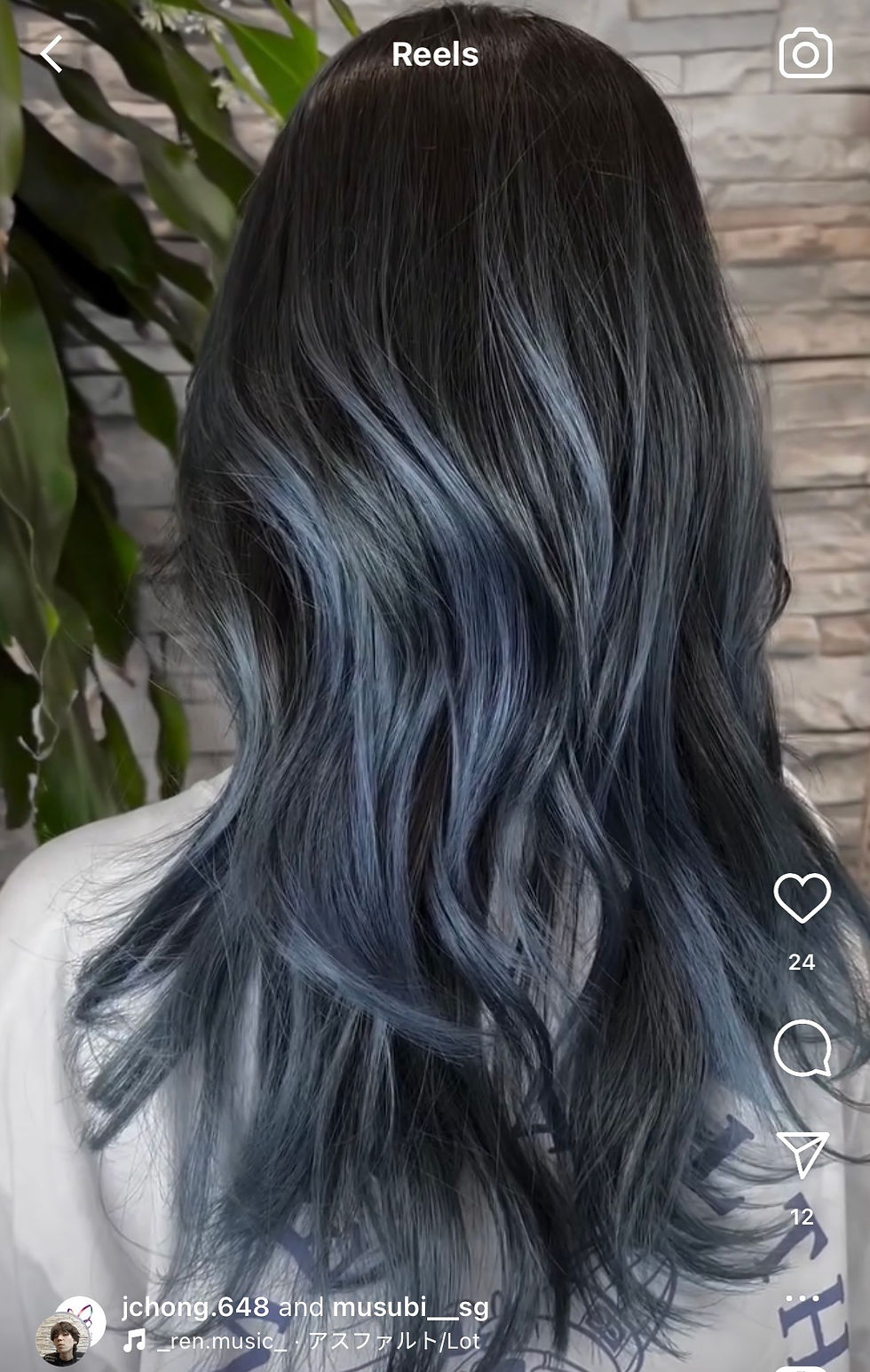
Cool & Bold → blue-black, violet tones
Energetic & Playful → golden blonde, orange highlights
If you’re curious about what goes into professional coloring, this guide will walk you through everything: from preparation, to the science behind sectioning, to how you should care for your new shade.

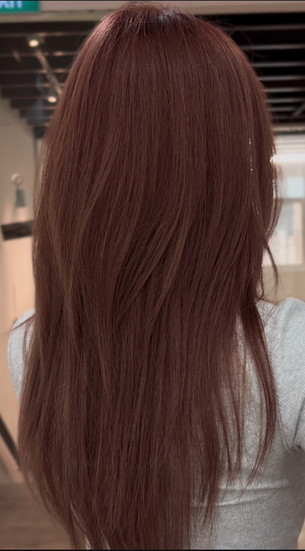

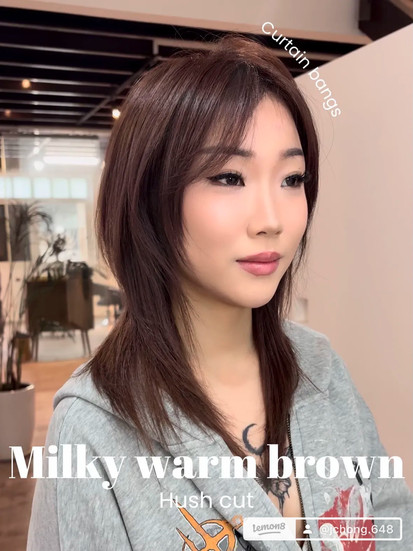

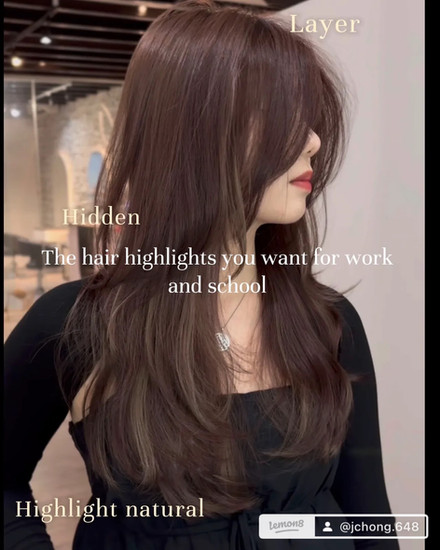

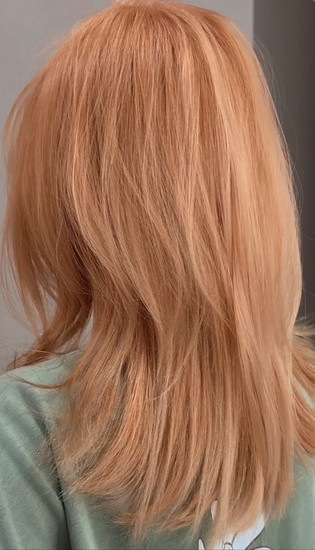

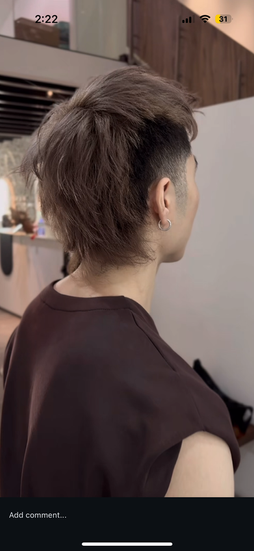



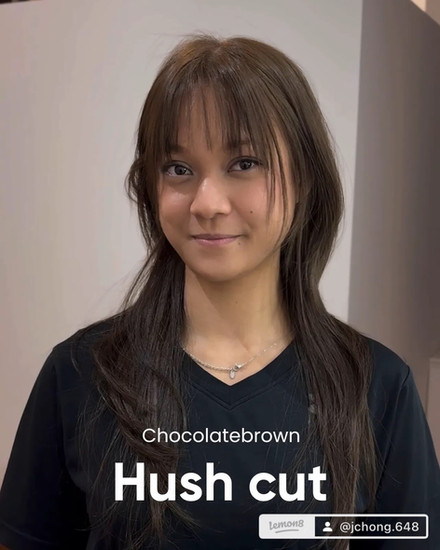





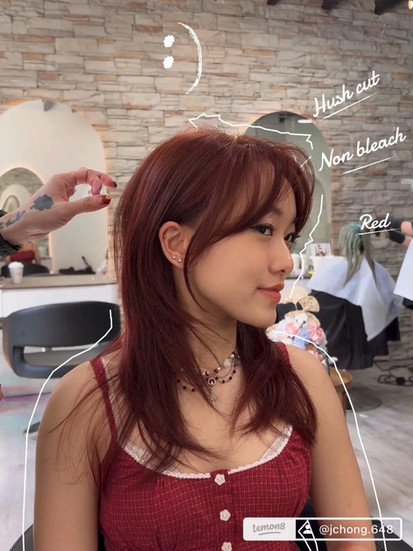



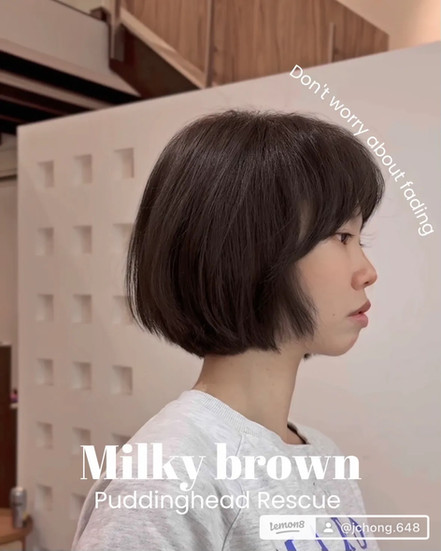
What You Should Know Before Coloring
Before diving into color, it’s important to understand your hair’s condition.
Healthy hair → takes color evenly and lasts longer.
Damaged hair → fades quickly and may need pre-treatment.
Not all shades are created equal:
Lighter tones (beige, gray, pastel pink) usually require bleaching.
Deeper tones (brown, wine red) can often be done without it.
And of course, your skin tone matters:
Yellow undertones → look better with cool shades like ash or gray-brown.
Fair skin → can pull off almost any shade with ease.
Trending Coloring Styles
✨ Airtouch Balayage — soft, natural, low-maintenance highlights.
✨ Jiji Color — a bold gradient with light roots and darker ends.
✨ Champagne Blonde — chic and elegant with a soft golden glow.
✨ Lazy Perm + Color — relaxed Japanese-inspired waves paired with subtle tones.
Why Sectioning Matters in Coloring
Professional coloring is not as simple as “apply → wait → rinse.” Each part of your hair has a different history and reacts differently:
New Growth (roots): healthy, darker, needs stronger developer to open the cuticle.
Mid-length: previously colored, absorbs color faster, requires formula adjustment.
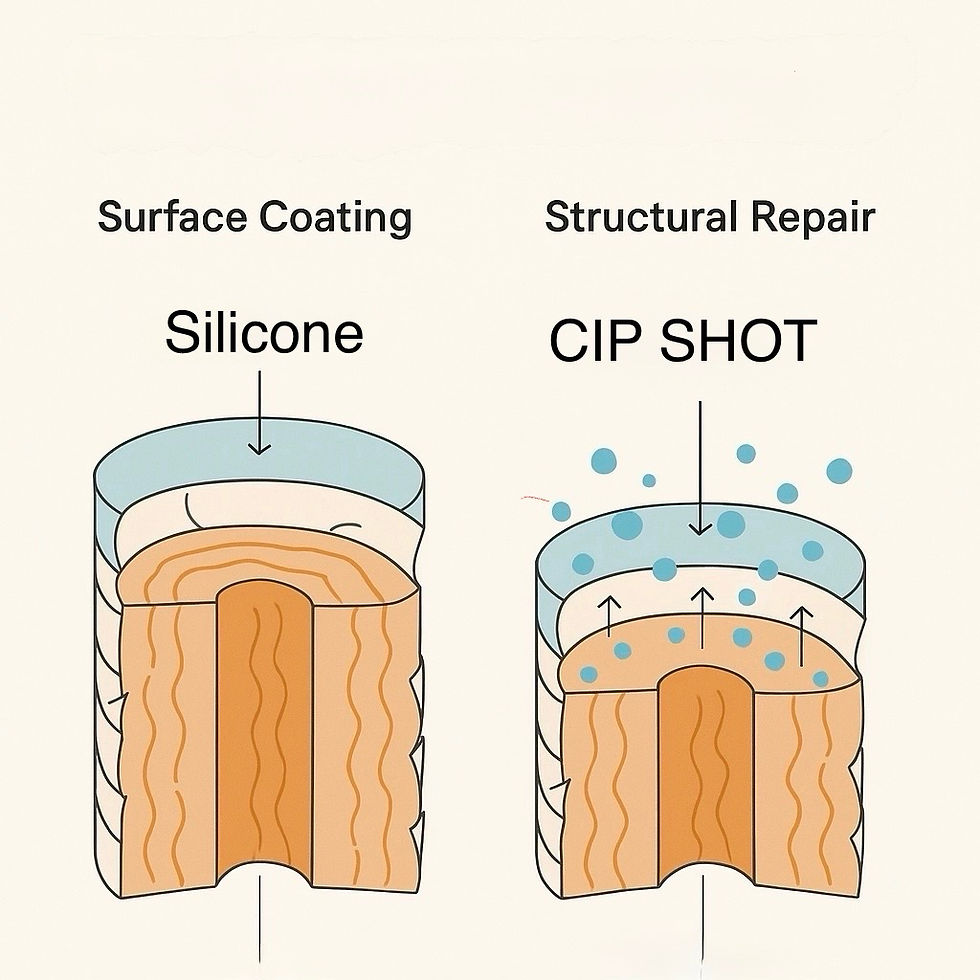
Ends: the most fragile, often over-processed, needs gentler dye or protective treatment.
That’s why we separate the process: applying different formulas to roots, mid-lengths, and ends. This ensures even color, seamless gradients, and minimal damage.
Post-Color Care Tips
Want your color to last? Follow these essentials:
Use color-protecting shampoo and conditioner.
Avoid frequent high-heat styling.
Do regular deep treatments (Tokio, Milbon, etc.).
Protect your hair from UV exposure, which can turn tones brassy.
Common Questions
How long does color last?
On average, 4–6 weeks before fading starts. A touch-up or retouch is usually needed.
Can I color at home?
Yes, but it’s hard to achieve an even or gradient effect. For best results, trust a professional.
Does coloring always damage hair?
Not if it’s done properly. With the right sectioning, formulas, and care, damage can be minimized.
The Science Behind Professional Coloring
At OHANA, our process begins with a full hair history assessment—whether you’ve bleached, dyed, or permed before. Then, we customize:
Stronger developer at the roots.
Adjusted formula for mid-lengths.
Protective care for fragile ends.
Layer-by-layer application in the correct order.
This balance of technique and care is what makes salon results last longer, look more natural, and keep your hair feeling healthy.
Hair coloring is both art and science. Every shade tells a story, and every strand deserves the right treatment. With proper sectioning and care, your color can be vibrant, long-lasting, and uniquely yours.

Comments